Reliable Leak Repair Best Value
Learn about vital roof care to protect your property and Durability.
The significance of keeping up a safe and durable roof is extremely high. Property owners frequently ignore necessary roof care until major issues develop. Routine checks often reveal hidden issues, while understanding standard fixes can avoid expensive deterioration. Understanding materials and the importance of water runoff also plays a crucial part in how long the roof lasts. As homeowners manage these details, selecting a qualified roofer is vitally necessary. What steps can they take to protect their property?
Importance of Regular Roof Inspections
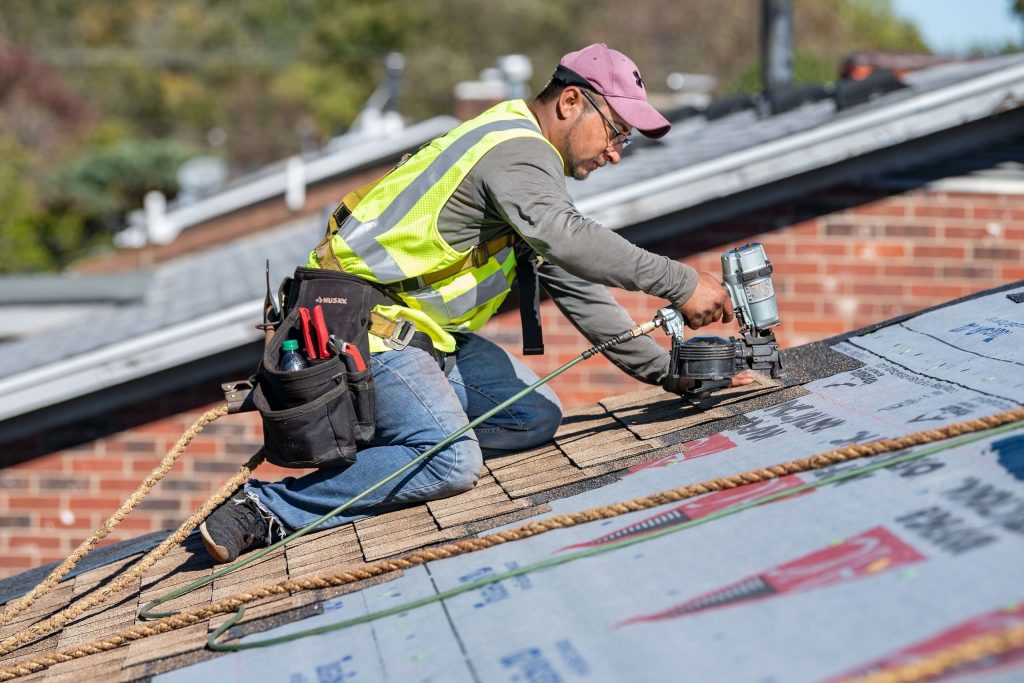
While some homeowners might ignore this, the necessity of routine roof checks is undeniable. Routine checks are crucial for upholding the structure of a home. Roofs naturally degrade over time due to various environmental factors, including harsh climate, debris accumulation, and old components. Regular inspections help identify developing problems before they escalate into significant problems, such as leaks or structural damage. In addition, proactive roof maintenance can extend the lifespan of the roofing system, saving homeowners substantial repair costs in the long run. Inspections should ideally be conducted yearly or more often or following major storms. Hiring certified roofing experts guarantees a thorough assessment, as trained experts can spot minor damage that an untrained eye might miss. Ultimately, prioritizing regular roof inspections helps create a stable and secure home, protecting both the property and those who live there.
Standard Roof Maintenance and Its Advantages
Regular roof inspections not only help identify potential issues but also make essential fixes possible when damage is noticed. Common roofing repairs include fixing leaks, replacing damaged shingles, and clearing debris from gutters. Repairing breaches immediately can avoid liquid harm and fungal development, preserving the building and inside spaces. Replacing damaged shingles strengthens the roof's structural integrity and enhances the property's appearance, providing long-term resilience. Furthermore, clearing gutters prevents water backup, that might result in costly damage and issues with the home's base.
These repairs contribute greatly to extending the roof's useful life and preserving energy savings. Homeowners who invest in routine maintenance and timely repairs can prevent larger, more expensive replacements later on. Finally, resolving standard roof concerns not only guarantees the safety of the home but also offers homeowners tranquility, knowing that their property is well-protected against the elements.
How to Replace a Roof
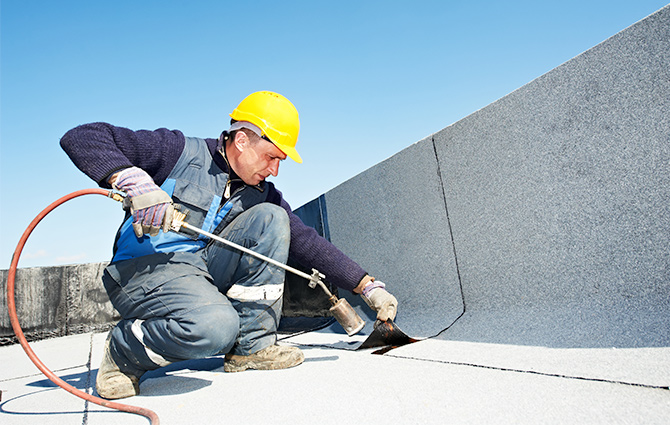
The process of roof replacement requires numerous crucial phases to ensure a long-lasting and effective setup. To start, the current roof is carefully inspected to determine its current shape and decide on the required maintenance or replacement. After the evaluation is finished, the owner should hire a certified roofing professional capable of outlining a proper plan and timeline for the project.
The next step involves removing the old roofing materials, which may include shingles, underlayment, and flashing. This step is essential for finding hidden issues to the roof's base. Once the stripping is done, the underlying decking receives necessary mending, guaranteeing a strong foundation for the find details about new roof.
Once the deck is secure, fitting the new roof materials commences, with the addition of correct flashing and venting mechanisms. In closing, a thorough cleanup is performed, leaving the property in pristine condition and making sure the new roof protects for years.
A Guide to Roofing Materials and Longevity
Understanding roofing materials is essential for homeowners looking to make informed decisions about their home's covering. Each type of roofing material possesses a distinct longevity and care specifications, impacting long-term costs and resilience. By examining common options, how long they last, and the needed care, individuals can better plan for their roofing needs.
Types of Standard Roofing Materials
A variety of roofing components are offered, all providing distinct advantages and diverse useful lives. Asphalt shingles are popular due to their affordability and ease of installation, which makes them a frequent selection for houses. Metal roofing, which is highly durable and requires little upkeep, comes in various styles, including standing seam and corrugated panels. Tile roofing, often made from clay or cement, offers a unique look and can withstand harsh weather conditions. Roofing made of slate, while more expensive, is prized for how long it lasts and natural beauty. Finally, man-made materials, such as rubber or plastic, provide environmentally conscious choices with the look of traditional materials. Every type meets particular requirements, ensuring homeowners can select what suits their house best.
Lifespan of Roofing Options
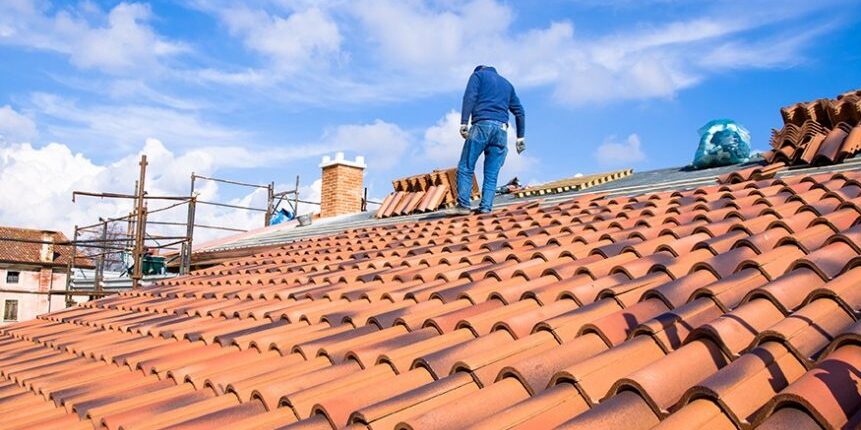
Choosing roofing materials requires looking at more than just their aesthetic and price but also their expected lifespan. The lifespan varies among different roofing options, directly impacting homeowners' long-term investments. Asphalt shingles typically last for about 15 to 30 years, based on their quality and how they were installed. Metal roofs, recognized for being long-lasting, can endure for 40 to 70 years when installed properly. Clay and cement tiles boast impressive longevity, often reaching 50 years or more. Shingles made of wood, while aesthetically appealing, generally last between 20 to 25 years, affected by weather and care. To conclude, synthetic materials can vary widely, with some options designed to last for as long as 50 years. Knowing these durations helps homeowners make educated choices concerning their roofing expenditure.
Upkeep for a Longer Lifespan
Regular maintenance is essential for getting the most life of roofing materials. Property owners need to regularly check their roofs for signs of wear, such as missing shingles, cracks, or moss beginning to grow. Dealing with these problems quickly prevents the damage from spreading. Various roofing materials last for different lengths of time; as an illustration, asphalt shingles typically last 15-30 years, whereas metal roofs may last 40 to 70 years with adequate upkeep. Regular cleaning of downspouts and gutters is crucial to guarantee water drains freely, reducing the risk of leaks and damage to the structure. In addition, employing an expert for annual inspections can aid in spotting potential problems at an early stage - Massapequa Roofing Company. By knowing the specific maintenance needs of their roofing components, homeowners can significantly boost their roof's durability and ensure long-term protection for their homes
The Role of Gutters in Roof Maintenance
Gutters play an critical function in roof maintenance by channeling water away from the structure. Well-maintained gutters keep water from standing on the surface, which can lead to leaks, mold growth, and damage to the building's integrity. They guide water downwards and away from the foundation, protecting the integrity of the home.
Regular inspection and cleaning of gutters are crucial, as debris can block the passage and create blockages. When gutters are ignored, they can overflow, causing water to seep into walls and ceilings, leading to costly repairs.
Furthermore, well-maintained gutters enhance the efficiency of a roofing system, extending its service life. Homeowners should prioritize gutter maintenance as part of their general roof upkeep strategy, guaranteeing that these critical elements operate effectively. By doing so, they add to the durability and safety of their homes, showing the clear significance of gutters in roof maintenance.
Choosing a Dependable Roofing Contractor
How can homeowners make sure they choose a dependable roofing contractor? First, it is essential to conduct thorough research. Homeowners should seek recommendations from friends, family, and online reviews to locate trustworthy contractors in their area. Next, confirming documentation is crucial; a reliable contractor should possess appropriate licenses, insurance, and certifications.
Homeowners should also ask for comprehensive quotes from multiple contractors, comparing costs and the scope of service. Communicating clearly is important, as a honest contractor will be responsive and forthcoming about their processes.
Additionally, examining previous work and customer testimonials can offer perspective into the contractor's quality of work and reliability. Lastly, it is recommended to hire a contractor that provides guarantees on both materials and labor, providing enduring assistance and protection for the homeowner’s investment. Adhering to these recommendations, homeowners can greatly increase their chances of finding a reputable roofing contractor.
FAQs
How Often Should I Schedule a Roof Inspection?
Professionals advise arranging a roof inspection a minimum of two times annually, preferably during the spring and autumn months. In addition, inspections should occur after extreme weather to check for possible injury and maintain continuous roof integrity.
Which Indicators Point of Roof Damage to Watch Out For?
Roof damage warnings consist of lost shingles, water seepage, sinking, stains on the interior ceiling, granule loss in gutters, and the presence of moss or algae. Prompt attention to these issues can avoid greater deterioration and costly repairs.
Can I Perform Roof Repairs Myself?
Yes, individuals can perform roof repairs themselves provided they have the right tools and skills. However, caution is advised, as incorrect fixes could result in more deterioration or risks, which might necessitate hiring a professional later.
What is the Impact of Weather on Roofing Materials?
The weather heavily influences roofing materials, leading to wear, damage, or degradation. Massapequa Roofing Company. Extreme temperatures, moisture, and UV exposure can reduce structural soundness, which may cause leaks or problems with the structure. Consistent upkeep is vital to lessen these impacts and extend the roof's useful life
What Is the Average Cost of a Roof Replacement?
The average cost of a roof replacement usually falls between $5,000 and $15,000, depending on factors such as roof size, material type, and geographical location, determining both the final price and the installation quality.